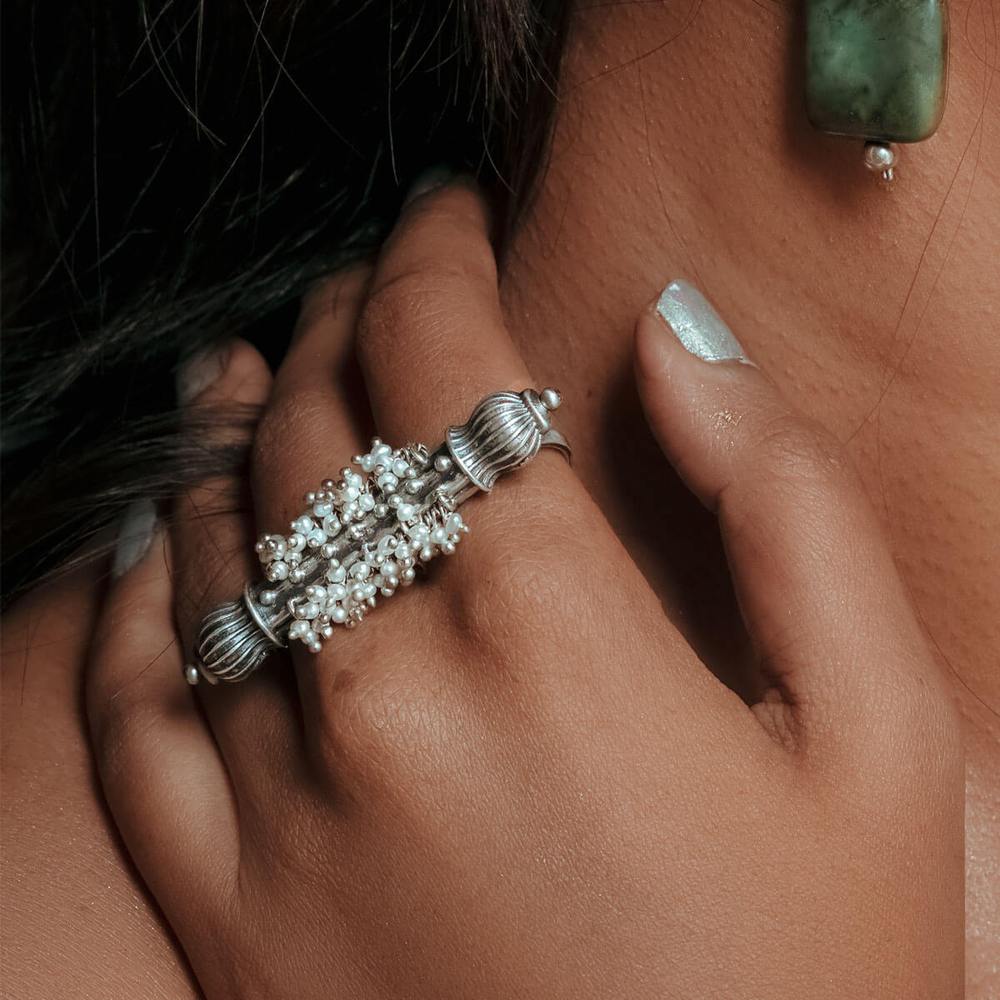
Jewellery has always been more than an ornament in Indian culture. Across generations, it has reflected identity, heritage, craftsmanship, and regional traditions. In Maharashtra, one such timeless ornament is the Bugadi, a distinctive ear ornament worn on the upper cartilage of the ear.
While many people recognize Bugadi as a traditional Maharashtrian jewellery piece, its significance goes far beyond aesthetics. For centuries, Bugadi has been associated with Marathi culture, traditional bridal jewellery, festive celebrations, and family heritage. It has remained a recognizable symbol of Maharashtrian identity while evolving to suit contemporary fashion and changing lifestyles.
Today, Bugadi continues to inspire jewellery lovers who appreciate both cultural heritage and modern design. Whether worn with a traditional Paithani saree or styled with contemporary outfits, Bugadi remains one of the most distinctive elements of Maharashtrian jewellery.
Women interested in exploring modern interpretations of this iconic ornament can discover handcrafted styles in the Silver Bugadi Collection:
Bugadi as a Symbol of Maharashtrian Identity
Maharashtra is known for its rich cultural traditions, distinctive festivals, and unique jewellery heritage. Traditional ornaments have long served as visual representations of regional identity, helping preserve customs and artistic traditions across generations.
Among these ornaments, Bugadi holds a special place because of its unique design and placement. Unlike conventional earrings that are worn on the earlobe, Bugadi adorns the upper ear cartilage, creating an elegant layered jewellery look.
For many Marathi families, Bugadi represents more than a decorative accessory. It reflects a connection to cultural roots and family traditions that have been passed down through generations. Traditional jewellery often becomes part of important life moments, including weddings, religious ceremonies, festivals, and family celebrations.
Even today, Bugadi continues to symbolize the beauty of Maharashtrian craftsmanship while connecting modern wearers to centuries of cultural heritage.
Many women pair Bugadi with handcrafted Silver Earrings to create a complete ear jewellery look:
Historical Journey of Bugadi Through Maharashtra
The history of Bugadi is deeply intertwined with the broader evolution of Maharashtrian jewellery traditions.
Historical references suggest that Bugadi became closely associated with Maharashtra during periods when regional craftsmanship flourished under the influence of the Maratha Empire and later the Peshwa era. During these periods, jewellery played a significant role in everyday life and ceremonial traditions.
Jewellery was not simply worn for adornment. It often reflected family status, regional identity, artistic skill, and cultural values. Skilled artisans created intricate ornaments that were treasured and preserved for generations.
Traditional Maharashtrian jewellery gradually developed into a distinctive cultural identity that included ornaments such as:
-
Bugadi
-
Nath
-
Thushi
-
Kolhapuri Saaj
-
Mangalsutra
-
Ambada Hair Accessories
-
Traditional Bangles
Each ornament served a unique purpose while contributing to a recognizable Maharashtrian aesthetic.
As Maharashtra's cultural identity evolved, Bugadi became an important part of this jewellery tradition. Its distinctive appearance helped it stand apart from conventional ear ornaments and contributed to its lasting popularity.
Although modern jewellery styles have introduced new materials and design approaches, the cultural essence of Bugadi remains largely unchanged.
The Cultural Meaning Behind Bugadi
Traditional jewellery often carries symbolic value, and Bugadi is no exception.
Across generations, Bugadi has been associated with:
-
Cultural pride
-
Traditional beauty
-
Family heritage
-
Femininity
-
Festive celebrations
-
Bridal adornment
In many Maharashtrian households, jewellery was passed from one generation to the next, transforming ornaments into treasured family heirlooms. These pieces carried emotional value and represented a connection to family history and ancestral traditions.
Bugadi became part of this cultural continuity. Wearing Bugadi often reflected an appreciation for heritage and a respect for traditional customs.
The ornament has also found a place in Maharashtra's cultural memory through literature, music, and folk traditions. One of the most famous examples is the Marathi song "Bugadi Majhi Sandli Ga," which helped preserve the ornament's popularity and cultural relevance.
As a result, Bugadi remains one of the most recognizable traditional jewellery forms associated with Marathi culture.
Bugadi in Maharashtrian Bridal Jewellery
One of the strongest cultural associations of Bugadi is its role in Maharashtrian bridal jewellery.
Traditional Marathi bridal styling includes several iconic ornaments that work together to create a complete wedding look. Bugadi is often worn alongside:
-
Nath
-
Thushi
-
Kolhapuri Saaj
-
Mangalsutra
-
Traditional Bangles
-
Paithani Saree
Together, these elements create a bridal aesthetic that is deeply rooted in Maharashtra's cultural traditions.
A beautifully draped Paithani saree paired with traditional jewellery remains one of the most iconic bridal styles in Maharashtra. Bugadi enhances this look by adding elegance and detail to the upper ear.
Many brides choose Bugadi because it adds a distinctive cultural touch that distinguishes Maharashtrian bridal styling from other regional traditions.
Complete your bridal jewellery styling with:
The combination of Bugadi, Nath, Mangalsutra, and traditional bridal jewellery continues to remain an important part of Marathi wedding traditions.
Traditional Bugadi Designs and Craftsmanship
Traditional Bugadi designs showcase the remarkable skill of Indian jewellery artisans.
Historically, Bugadi was crafted using precious metals and decorative elements such as:
Artisans often spent significant time creating intricate patterns that reflected both creativity and technical expertise.
Different regions and families developed their own preferences regarding design, ornamentation, and styling. Some Bugadi styles emphasized delicate craftsmanship, while others featured more elaborate decorative elements suitable for weddings and special occasions.
The artistry involved in creating Bugadi reflects India's long-standing jewellery-making traditions, where craftsmanship and cultural storytelling often come together within a single piece.
This heritage continues to inspire modern jewellery designers today.
How Bugadi Evolved from Tradition to Contemporary Fashion
Like many heritage jewellery styles, Bugadi has successfully adapted to modern fashion without losing its cultural identity.
Today's jewellery designers have introduced contemporary interpretations that make Bugadi more versatile and accessible.
Modern Bugadi styles include:
-
Sterling silver Bugadi
-
Lightweight Bugadi
-
Minimalist Bugadi designs
-
Designer Bugadi collections
-
Contemporary fusion styles
These adaptations allow women to incorporate traditional elements into everyday wardrobes while maintaining a connection to cultural heritage.
Modern Bugadi can be styled with:
-
Sarees
-
Kurtas
-
Indo-western outfits
-
Dresses
-
Co-ord sets
-
Festive ensembles
This flexibility has helped introduce Bugadi to a younger generation of jewellery enthusiasts who appreciate both tradition and contemporary fashion.
Heritage-Inspired Sterling Silver Jewellery
Crafted in certified 92.5 sterling silver, these designs celebrate Maharashtrian heritage while offering comfort for modern lifestyles.
You may also explore:
Bugadi in Marathi Festivals and Celebrations
Beyond weddings, Bugadi remains an important part of many cultural and festive occasions.
Traditional Maharashtrian celebrations often encourage the use of heritage jewellery and traditional attire. Women commonly style Bugadi during:
-
Gudi Padwa
-
Family celebrations
-
Religious gatherings
-
Cultural events
-
Traditional ceremonies
During such occasions, Bugadi is frequently paired with sarees, traditional jewellery, and handcrafted accessories that reflect Maharashtra's rich cultural identity.
Many women also combine Bugadi with traditional bangles and bracelets for a complete festive look:
These traditions help preserve historical jewellery styles and keep them relevant for future generations.
Why Heritage Jewellery Is Making a Comeback
In recent years, heritage-inspired jewellery has experienced a strong revival.
Many people are seeking jewellery that offers meaning, craftsmanship, and cultural connection rather than simply following short-term fashion trends.
Several factors contribute to this growing interest:
-
Appreciation for traditional craftsmanship
-
Interest in Indian heritage
-
Sustainable fashion choices
-
Handcrafted jewellery trends
-
Cultural storytelling through design
This shift has encouraged many women to rediscover traditional ornaments such as Bugadi, Nath, and handcrafted sterling silver jewellery.
As a result, Bugadi is no longer reserved only for weddings and festivals. It has become a versatile style statement that can be incorporated into modern fashion.
Why Bugadi Remains Relevant Today
Fashion trends change constantly, but certain jewellery styles remain timeless because they represent something deeper than aesthetics.
Bugadi continues to remain relevant because it combines:
-
Heritage
-
Culture
-
Craftsmanship
-
Versatility
-
Historical significance
-
Contemporary appeal
For many women, wearing Bugadi is not simply a fashion choice. It is a celebration of Maharashtrian culture and a way of preserving traditional artistry.
As interest in heritage jewellery continues to grow, Bugadi remains one of the most recognizable and meaningful symbols of Maharashtra's jewellery traditions.
Conclusion
Bugadi is much more than a traditional ear ornament. It represents the rich cultural heritage, craftsmanship, and traditions that have shaped Maharashtrian jewellery for generations. From its association with Marathi identity and bridal styling to its continued presence in festivals and contemporary fashion, Bugadi remains a timeless symbol of elegance and cultural pride.
As traditional jewellery continues to inspire modern design, Bugadi has successfully evolved while preserving its historical significance. Whether paired with a Paithani saree for a wedding, worn during festive celebrations, or styled with contemporary outfits, it continues to connect women with Maharashtra's enduring artistic and cultural legacy.
For those who appreciate jewellery that combines heritage with modern wearability, Bugadi offers a unique way to celebrate tradition while embracing contemporary style. Explore the handcrafted Silver Bugadi Collection by MOHA by Geetanjali and discover designs inspired by centuries of Maharashtrian craftsmanship and culture.
Frequently Asked Questions
What is the cultural significance of Bugadi?
Bugadi represents cultural identity, traditional beauty, and heritage within Maharashtrian jewellery traditions.
Why do Maharashtrian women wear Bugadi?
Bugadi is worn for cultural, aesthetic, and traditional reasons, especially during weddings, festivals, and family celebrations.
Is Bugadi part of Maharashtrian bridal jewellery?
Yes. Bugadi is commonly worn alongside Nath, Thushi, Kolhapuri Saaj, Mangalsutra, and Paithani sarees as part of traditional Marathi bridal styling.
Is Bugadi still popular today?
Yes. Contemporary sterling silver Bugadi designs have helped maintain its popularity among modern jewellery enthusiasts.
What jewellery is commonly worn with Bugadi?
Bugadi is often paired with Nath, Mangalsutra, earrings, bangles, and other traditional Maharashtrian jewellery pieces.
Can Bugadi be worn with modern outfits?
Yes. Modern Bugadi designs complement both traditional and contemporary fashion.
References & Sources
The cultural and historical information presented in this article has been researched using publicly available resources on Maharashtrian jewellery traditions, Indian decorative arts, and heritage craftsmanship.
-
Vogue India – From Bugadi to Kaanphool: Today's Earring Stacks Echo Centuries of Style
-
Hindustan Times – Indian Jewels That Bridge Past and Present
-
BlueStone Blog – Traditional Bugadi Earrings: A Maharashtrian Classi
-
Historical and cultural references related to Maharashtrian jewellery traditions, Maratha-era decorative arts, and regional ornamentation practices.
-
Traditional knowledge and documented styling practices surrounding Maharashtrian bridal jewellery, including Nath, Thushi, Kolhapuri Saaj, Mangalsutra, and Paithani sarees.
Disclaimer
Historical jewellery traditions evolve over centuries and may vary across communities and regions of Maharashtra. The information provided in this article is intended for educational and cultural awareness purposes and reflects a combination of published references, historical interpretations, and traditional knowledge.